Wordpress Website Development
We built WordPress websites for years. Today, we help clients choose platforms that are easier to manage and safer to grow with.

Wordpress Website Development
Every website runs on a content management system, or CMS. It’s the software your team uses to update pages, post news and change content without calling a developer.
WordPress is the best-known CMS in the world. It runs about 40% of all websites, according to W3Techs (October 2026). It started as a blogging tool in 2003. The WordPress software is free to download, and almost every web design firm knows it.
It also looks easy to get started. Register a domain name and sign up for WordPress hosting with a hosting provider. Most hosting providers offer a one-click WordPress installer, so you can install WordPress in minutes. Pick a WordPress theme for the design, log in to the WordPress dashboard and start adding pages. If you get stuck, there are thousands of WordPress tutorials online.
So for many businesses building a website, WordPress is the default choice.
But the most popular option isn’t always the right one.
We like to compare WordPress to orange juice. In the early 1900s, a clever ad campaign turned orange juice into the breakfast drink. Ask most people why they drink it with breakfast, and the answer is simple. That’s just how it is.
But a website is too important a decision to make out of habit. Read more in our blog, WordPress Is the Orange Juice of Content Management Systems.

Where WordPress Gets Complicated
WordPress itself is solid. The trouble usually starts with what gets added to it.
Out of the box, WordPress handles pages and blog posts. Almost everything else comes from WordPress plugins. A plugin is an add-on built by a separate developer that adds a new feature to your website. Common examples include contact forms, search engine tools and an online store. Others add email marketing sign-ups or social media feeds.
One or two plugins are fine. A website that depends on dozens of them is a different story.
- Plugins add up. Each one is built and updated by a different developer on its own schedule. The more you add, the more likely they are to slow down the site for visitors or clash with each other. Your hosting, theme and plugins all need regular updates, even with managed hosting.
- Most security risks live in plugins. Patchstack, a WordPress security company, logged 11,334 new vulnerabilities in the WordPress ecosystem in 2025. Plugins accounted for 91% of them. The WordPress core software had only six.
- Lack of consistency. There’s no standard way to set up a Wordpress site. Each developer picks their own theme, plugins and editing tools. That makes every site harder to learn, maintain and hand over.
- It wasn’t built for complex websites. When a business needs more than pages and blog posts, a WordPress site often relies on 3rp party solutions, i.e. plug-ins.
Our Experience With WordPress
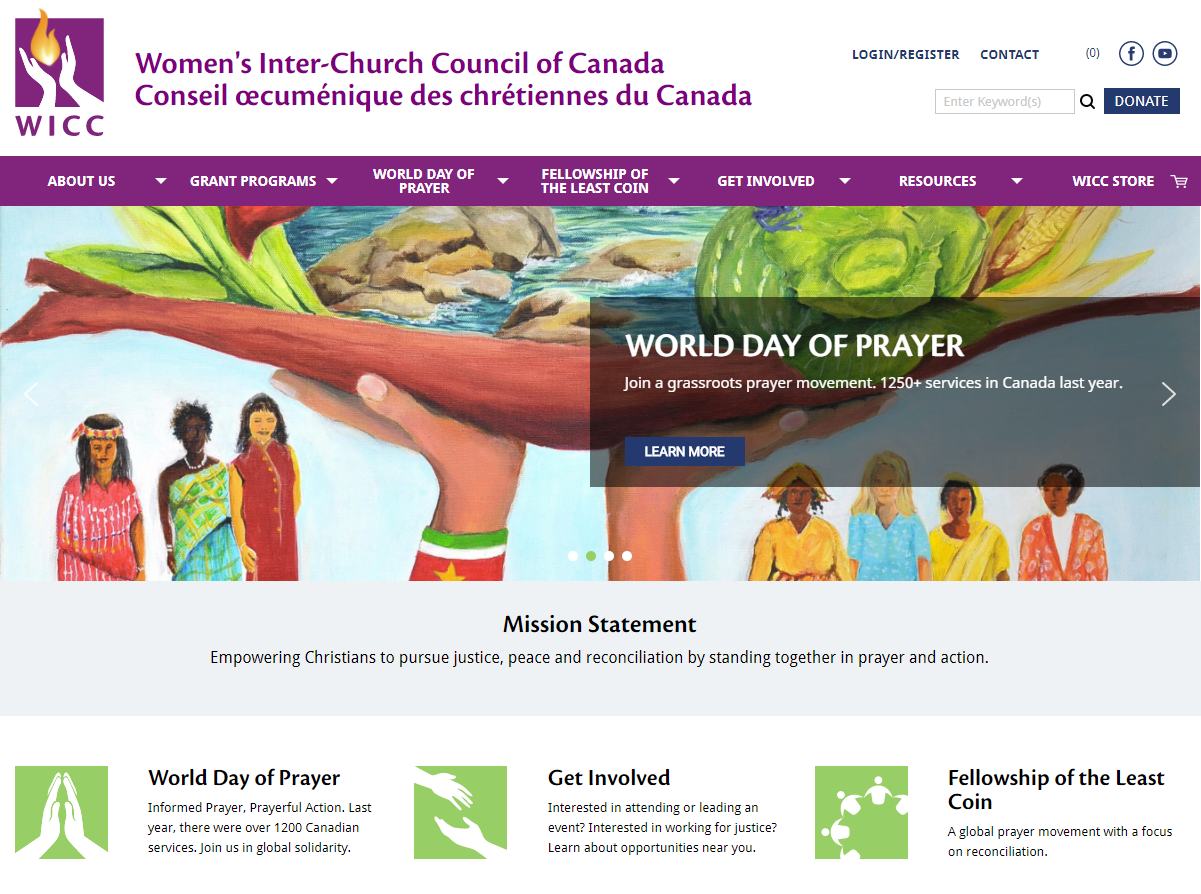
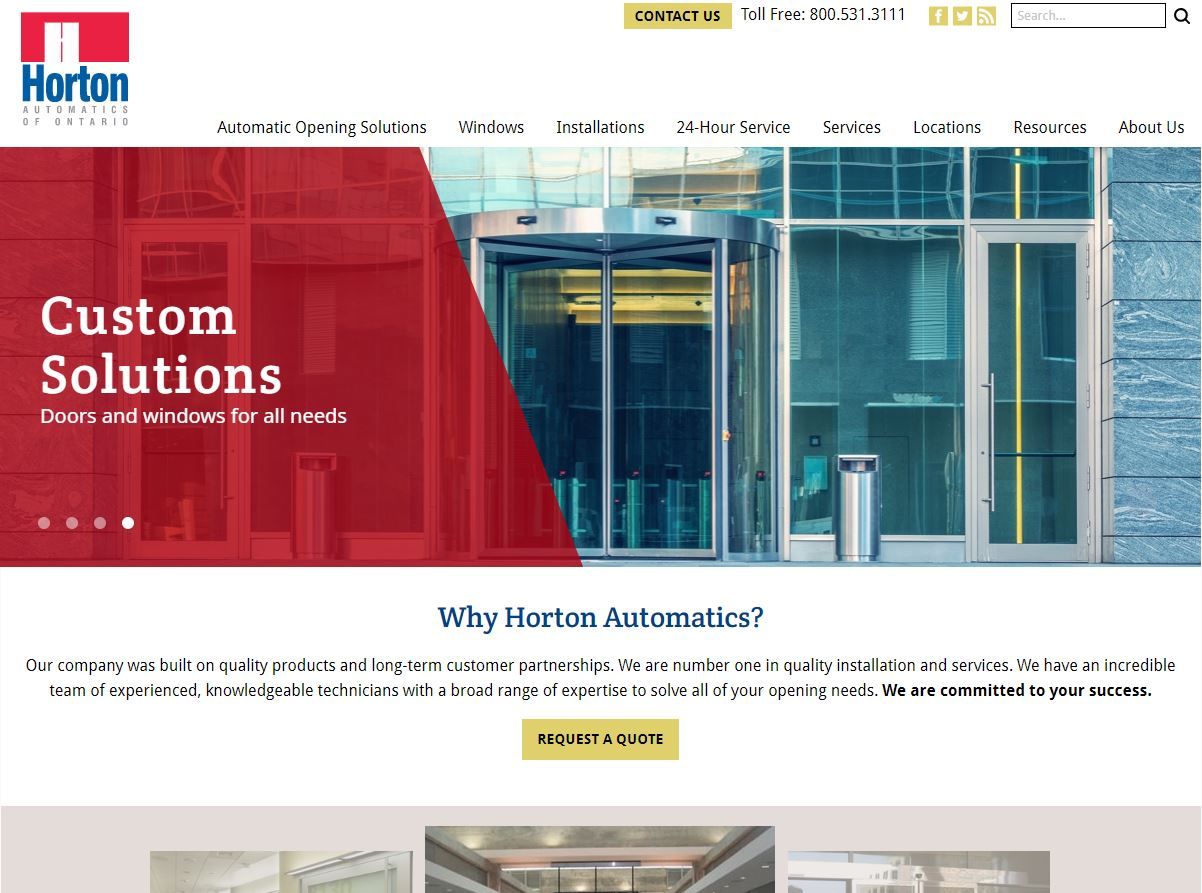
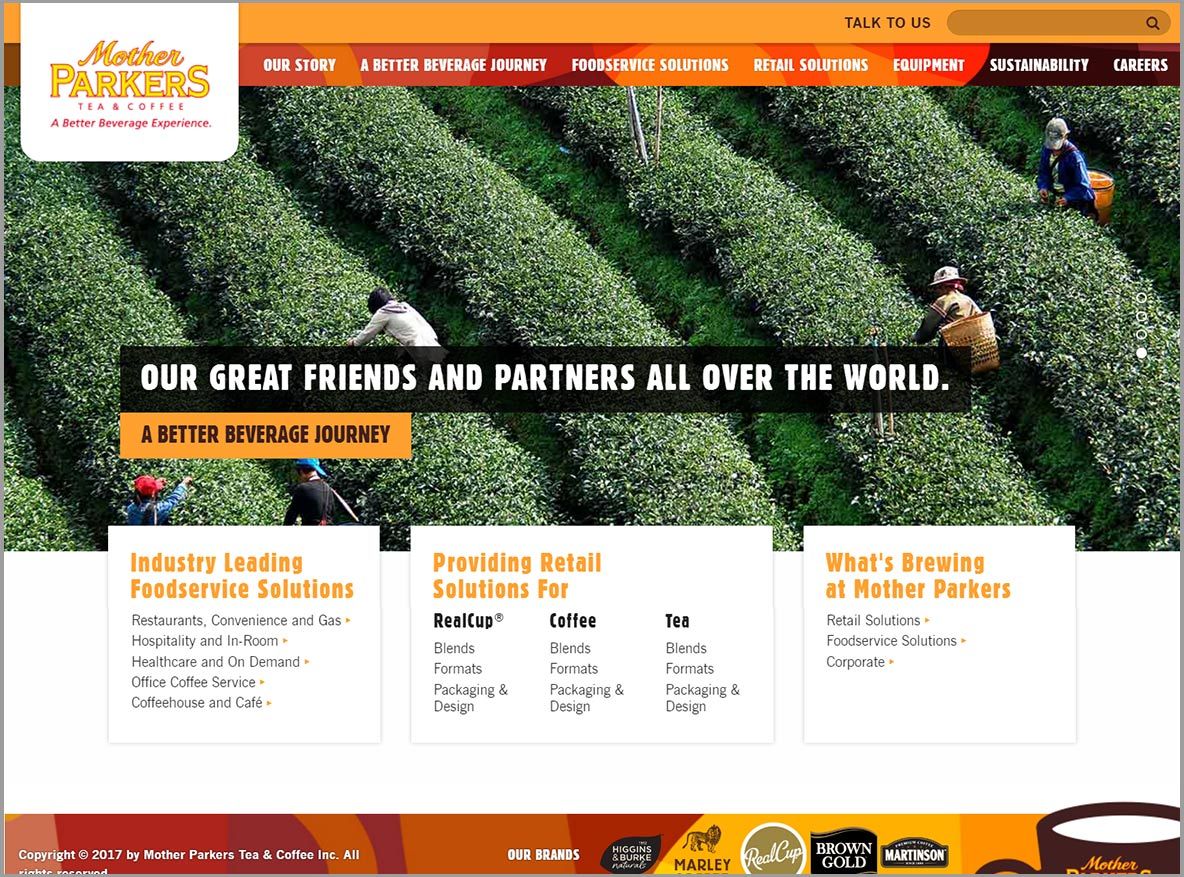
We built WordPress websites for clients including WICC, Horton Automatics and Mother Parkers. Building them was rarely the hard part. Keeping them safe and running well was.
WordPress comes with risk. Managing that risk takes time, and time costs money.
Here’s what that looks like in practice:
- Security. WordPress is a well-known target for hackers, and new vulnerabilities turn up all the time. Each one needs to be patched quickly.
- Compatibility. A WordPress site depends on the core software and every plugin working together. One update can break something else.
- Lack of control.
WordPress decides when its updates come out. There’s no guarantee the plugins your site depends on will be ready at the same time.
The result? Too much time goes into putting out fires. Instead of improving a website’s performance, you spend your budget just maintaining it.
A WordPress website is usually cheaper to build. Not always, but usually. Over the life of the site, though, the upkeep often makes it the more expensive choice.
That’s why we no longer build new WordPress websites. We’d rather spend our clients’ budgets improving their websites, not just keeping them running.
What We Recommend Instead
We don’t start with a platform. We start with what your website needs to do. Then we choose the technology that fits your needs and your budget.
For most of our clients, that’s one of two options.
Duda for Straightforward Marketing Websites
If you need a professional website without the upkeep, we recommend Duda. Duda is a website builder designed for professional marketing websites. You get a fast, secure, mobile-friendly site with best practices built in. Your team can update page content easily, and you don’t need to manage a stack of plugins.
Umbraco for Growing, Complex Websites
If your website needs to do more, we recommend Umbraco. Like WordPress, it’s open source, so you don’t pay a license fee for the software.

The difference is how it’s built. Umbraco includes key features from the start, so it doesn’t rely on a pile of plugins. It handles multiple editors, multiple languages and detailed approval steps out of the box.
It also connects with the other software your business uses, such as your CRM, ERP or field service software. When your systems share information, your team stops copying data between systems. Your website becomes part of your Marketing Operating System.
We host Umbraco on Microsoft Azure, Microsoft’s secure cloud platform. We’re also an Umbraco Gold Partner.
Still deciding between the two? Read our guide, Choosing Between WordPress and Umbraco.
Already Running a WordPress Website?
If your business starts to outgrow your WordPress site or if you are tired of putting out fires, we can help you plan the move. We map your pages, content, connections to other systems and the way your team works before anything is rebuilt.
We’ll tell you honestly when a move makes sense. And when it doesn’t. Contact us here.
Not Sure Which Platform Is Right for You?
That’s what we’re here for.
Tell us about your website and what you need it to do. We’ll walk you through the options in plain language and give you an honest recommendation.